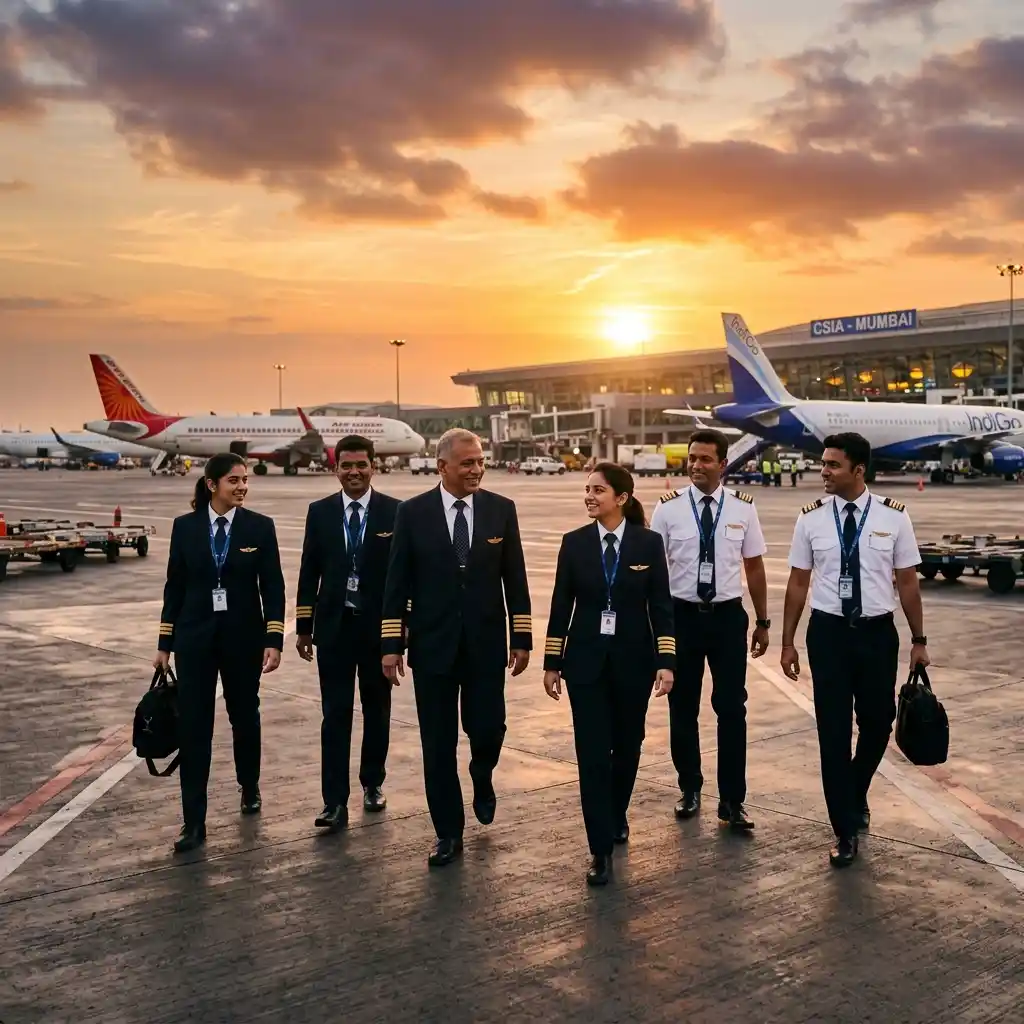
The short version: The demand for pilots in India is surging in 2026, driven by record aircraft orders and massive sector expansion. While major airlines are hiring aggressively, some of the best untapped opportunities exist in cargo, private charter, and flight instruction for those entering the market today.
The aviation industry in India is experiencing a growth phase that is difficult to comprehend until you look at the raw numbers. Airlines are taking delivery of new aircraft at a rate of roughly one every three to four days.
But if you talk to fresh Commercial Pilot License (CPL) holders, the sentiment is often mixed. Many wait months for a call from a major airline. There is a disconnect between the headline numbers regarding pilot demand in India and the reality on the ground for entry-level candidates.
Here is the truth. The jobs exist, and the demand is very real. The problem is that the vast majority of graduates are aiming at the exact same two airlines (learn more about IndiGo pilot salaries and Air India pilot salaries).
Key Takeaways
- Indian airlines will require an estimated 3,000 to 4,000 new pilots over the next three years to support aircraft deliveries.
- The most intense bottleneck is the shortage of Type Rated pilots and experienced Captains, not fresh CPL holders. (This dynamic is a primary reason why cadet pilot programs often face challenges in India).
- Significant, high-paying career paths exist outside scheduled commercial airlines, particularly in cargo and business aviation.
- Flight instruction offers the fastest route to building hours and gaining industry credibility while earning a salary.
Quick Navigation
- What does the demand actually look like?
- Where are the pilot jobs in India hiding?
- How much can you actually expect to earn?
- What is the catch with the current hiring boom?
- Frequently Asked Questions
What does the demand actually look like?
The headline figures are staggering. Boeing and Airbus project that South Asia will require tens of thousands of new pilots over the next twenty years, with India making up the vast majority of that requirement.
But projections don't hire people. Airlines do.
In 2026, we are seeing the full operational impact of the massive orders placed by Air India and IndiGo in 2023. An Airbus A320 or Boeing 737 typically requires about 10 to 12 pilots (5-6 crews) to operate efficiently on a standard schedule. When you factor in the scheduled delivery of 100+ aircraft per year across the country, the math dictates a need for roughly 1,000 to 1,200 new pilots annually just to staff the new metal, ignoring retirements and attrition.
I've watched this cycle before. The demand is undeniable. However, airlines prefer hiring type-rated candidates who can be put into the right seat with minimal delay. This creates an initial hurdle for fresh CPL holders who only have 200 hours on a Cessna. The demand is heavily skewed toward experience.
Where are the pilot jobs in India hiding?
If you only look at scheduled commercial passenger flights, you are missing a massive portion of the market. Pilot demand beyond commercial airlines in India is growing, and these sectors often offer faster entry and distinct lifestyle advantages.
The rise of dedicated cargo operations
E-commerce logistics is expanding rapidly. Companies like Blue Dart Aviation and newer entrants are building dedicated fleets. Cargo flying often involves night operations and less predictable schedules, but it also means no passenger delays, faster career progression to Captain, and excellent job security. These operators are quietly absorbing a lot of talent.
Business aviation and private charter
The number of high-net-worth individuals and corporations acquiring private jets and turboprops in India is at an all-time high. Flying corporate charter on a King Air or a Citation offers a completely different lifestyle. You visit diverse destinations instead of the same four trunk routes. The pay is competitive, and you often get much more hands-on flying experience. It requires excellent networking skills to get in, as these jobs are rarely advertised publicly.
Flight instruction as a career, not a stepping stone
India has a chronic shortage of qualified flight instructors. The demand for training is so high that flying schools are struggling to retain staff. Becoming an Assistant Flight Instructor (AFI) and eventually a Flight Instructor (FI) is the single fastest way to log hours.
Many pilots view instruction merely as a waiting room for an airline job. I disagree. A senior instructor can earn a very comfortable living, sleep in their own bed every night, and build thousands of hours of Pilot-in-Command (PIC) time. By the time they do transition to an airline, they are highly competitive for fast-track command upgrades.
How much can you actually expect to earn?
Let's look at realistic expectations for pilot career opportunities in India. These figures vary wildly depending on the operator and your experience level. (For a complete breakdown, see our guide on Pilot Salary in India 2026).
| Role | Estimated Monthly Salary (Starting) | Expected Progression (3-5 Years) |
|---|---|---|
| Junior First Officer (Airlines) | ₹1,50,000 - ₹2,00,000 | ₹3,00,000 - ₹4,00,000 (Senior FO) |
| Corporate/Charter Pilot (Entry) | ₹80,000 - ₹1,20,000 | ₹2,50,000+ (Captain on Turboprop) |
| Flight Instructor (AFI) | ₹50,000 - ₹80,000 | ₹1,50,000+ (Senior FI) |
| Cargo First Officer | ₹1,30,000 - ₹1,80,000 | ₹3,00,000+ |
Note: These figures are based on recent data from Glassdoor and AmbitionBox.
These numbers come with a heavy caveat. Your first job is about getting a foot in the door, not buying a sports car. The high salaries you read about are for wide-body Captains with 10,000 hours of experience. Getting there takes a decade of hard work.
What is the catch with the current hiring boom?
This won't work for everyone. If you are entering aviation solely for the money and expect a job to be handed to you the day you get your CPL, you will be disappointed.
The primary limitation in the Indian market right now is the cost and availability of Type Ratings. Airlines are increasingly shifting the cost of the A320 or B737 type rating onto the candidate. This means that after spending upwards of ₹40 Lakhs on your CPL, you might be expected to spend another ₹15-20 Lakhs before you draw your first paycheck.
Furthermore, the ground reality of airline operations involves immense fatigue. Flying 80 to 90 hours a month across different time zones with minimum rest takes a physical toll. The glamorous image of aviation rarely survives the first year of line flying.
But for those who genuinely love the machinery and the operation, there has never been a better time to be in the market. You just have to be willing to look past the obvious choices and build a career strategically.
Continue Exploring
If you're planning an airline career, these guides can help:
- Pilot Salary in India 2026
- How to Become a Pilot in India
- Best CPL Institutes in India 2026
- The 200-Hour CPL Trap
- Flying Schools in India by Budget
- Why Cadet Pilot Programs Fail in India
References
Official Sources
Industry Reports
Ready to start your journey? Check out our DGCA Ground Classes →
Frequently Asked Questions
Map Your Custom Pilot Training Pathway
Evaluate your compliance across the 4 major DGCA training gates, select training country routes (India vs. USA/Europe), and estimate your CPL timeline month-by-month.