CPSS Simulator & Pilot
Aptitude Test Training
The Computerised Pilot Selection System (CPSS) is a strict once-in-a-lifetime test for military flying branches across the Indian Air Force, Navy, and Army. Build 3-axis muscle memory, overcome cockpit sensory shock, and test with complete composure.
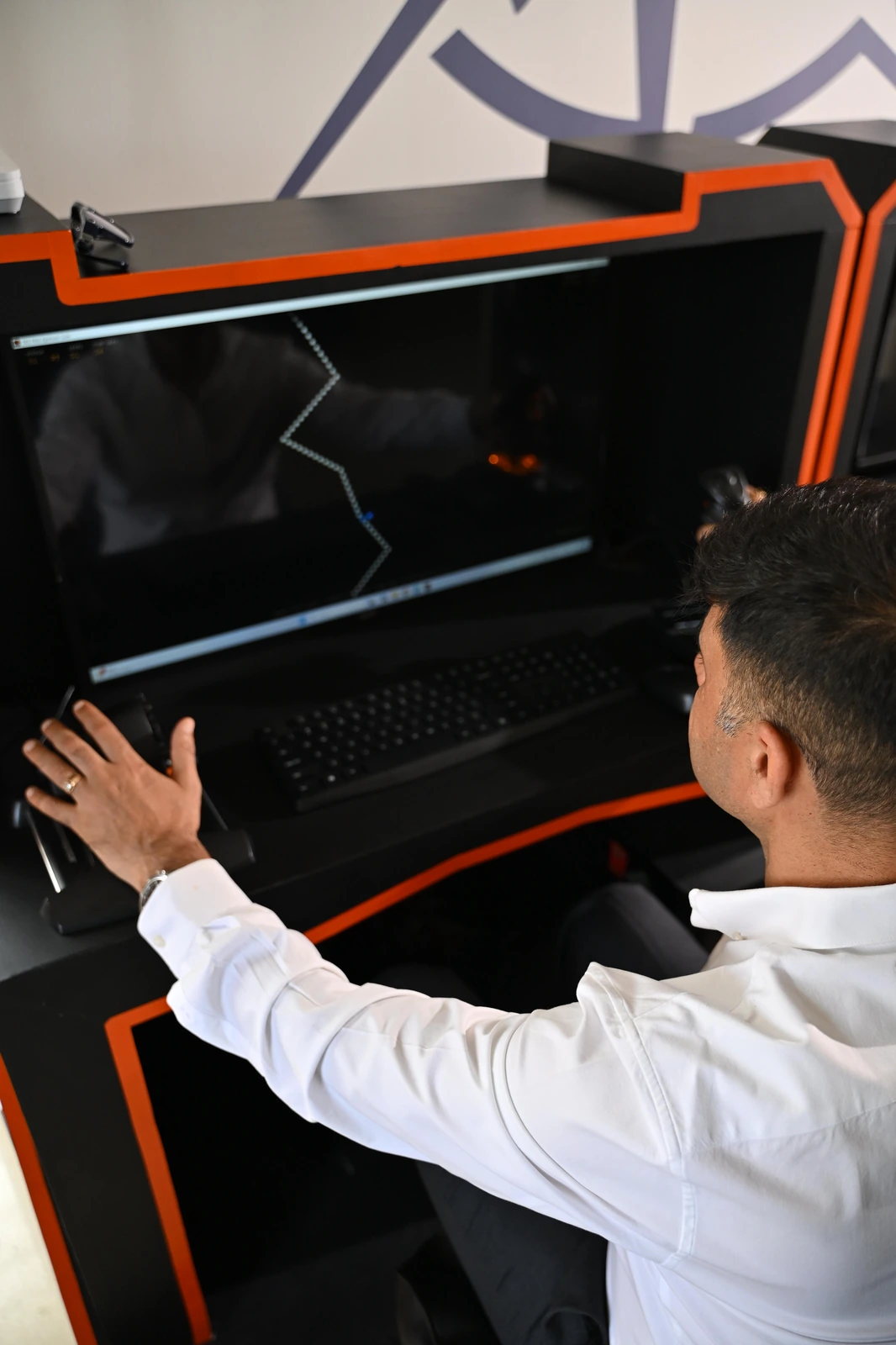
Bangalore Aptitude Center
Psychomotor Flight Tracking Rig
The Golden Rule: You Only Get ONE Attempt in Your Lifetime
Under official Indian Air Force and UPSC guidelines, every candidate receives strictly one opportunity to attempt the CPSS test across their entire career. Whether you attempt through NDA, CDS, AFCAT, or NCC Special Entry, your score is registered permanently. If you fail to qualify, you are permanently barred from military flying branches in the IAF, Navy, and Army.
Practice Makes the Difference
We evaluated 116 defence aviation aspirants on our CPSS simulator platform across three preparation levels. The data demonstrates one unmistakable reality: hands-on practice is the decisive factor between qualifying and permanent disqualification.
Hard ceiling at 50%: Not a single student reached the qualifying benchmark. Only 13–23% reached even the 50% score mark.
Candidates spent the test disoriented by hardware sensitivity and unfamiliar screen rates.
1 in 4 candidates qualified: Basic stick and rudder travel familiarity develops, reducing initial panic.
However, divided attention and secondary audio-visual tracking still collapse when test speed accelerates.
More than 4 in 5 qualified: Moving from 2 hours to 4–5 hours more than tripled the qualification rate.
Students read instruments at a single glance, make gentle micro-corrections, and spend the test showing their ability instead of figuring out the controls.
In Real Numbers: Out of 116 Aspirants Tested
Source: The Pilot's Compass Study Report (September 2026)Your First Attempt is Your Only Attempt
Because CPSS is strictly once-in-a-lifetime, gambling on a 15-minute briefing gives you a 0% statistical probability of qualification. Our study proves that a structured 4–5 hour simulator block provides the neuro-motor conditioning needed to reach 84% qualification.
* Based on performance data from 116 defence aviation aspirants evaluated on The Pilot's Compass practice simulator platform in Bengaluru. "Qualified" reflects achieving the qualifying standard on our calibrated CPSS task battery. Psychomotor aptitude is partly natural; simulator training helps candidates demonstrate their true ability rather than being penalised by unfamiliar hardware.
Inside Our CPSS Aptitude Simulator Setup
Explore the dedicated training rigs, flight controls, and testing cabin environment at our Bangalore facility designed to mirror official AFSB evaluation dynamics.
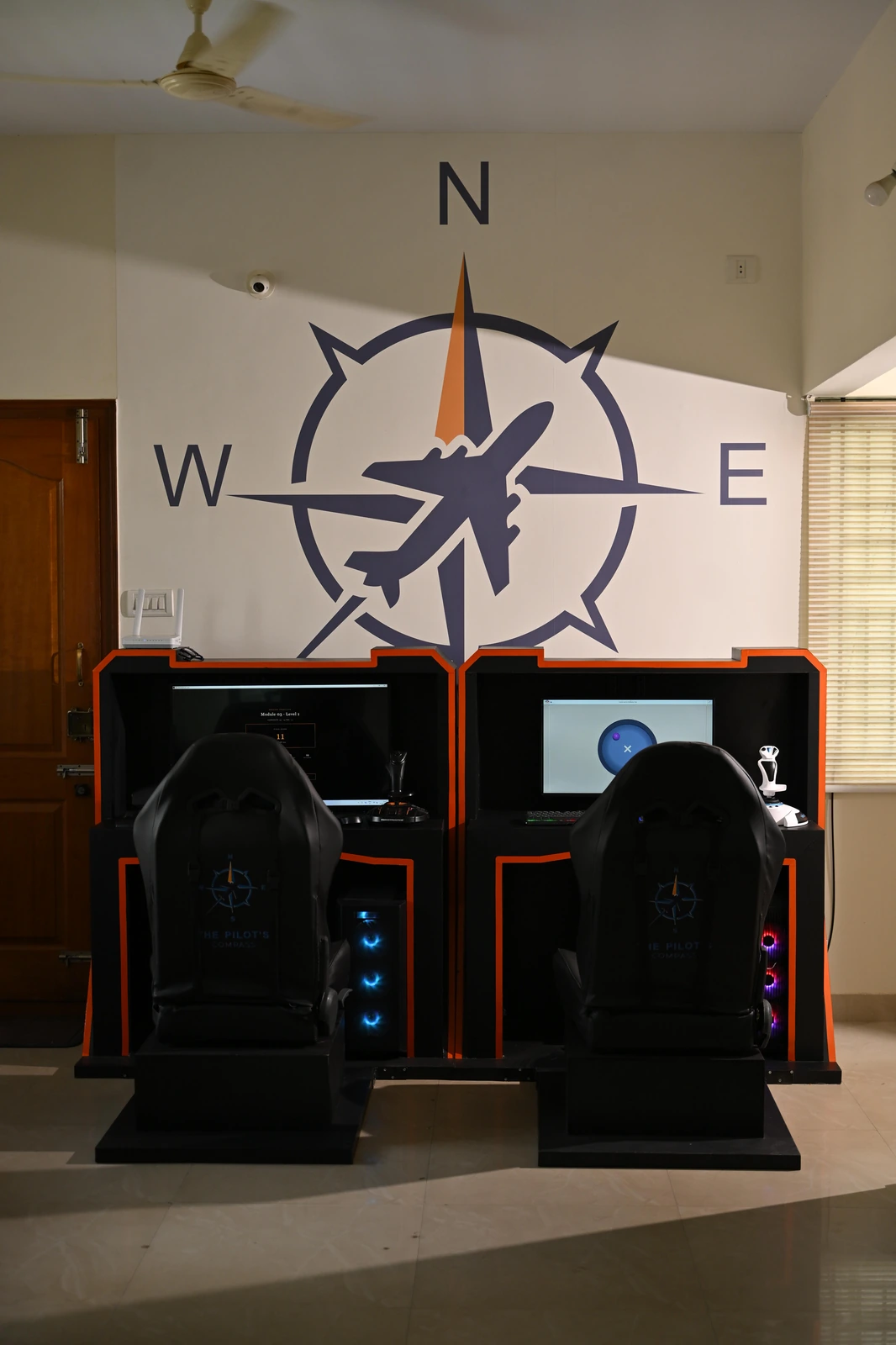
Aptitude Training Facility
Full multi-station laboratory in Yelahanka equipped for individual defense aviation aptitude practice.
Dynamic Tracking Drills
Target tracking profiles training smooth stick deflections and preventing erratic over-corrections.
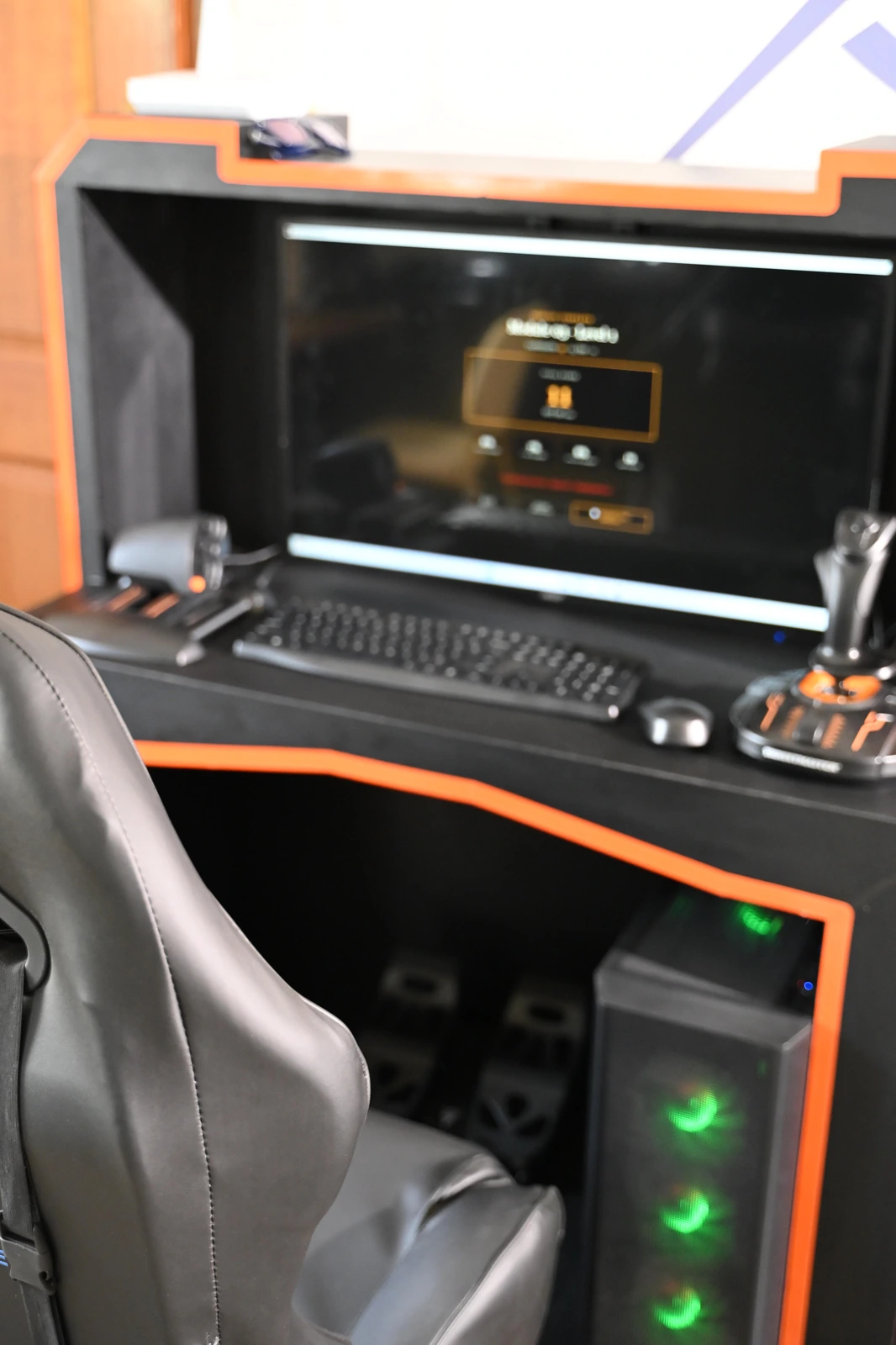
Stick, Throttle & Rudders
Synchronizes hand-eye-foot coordination so controls feel natural before test day.
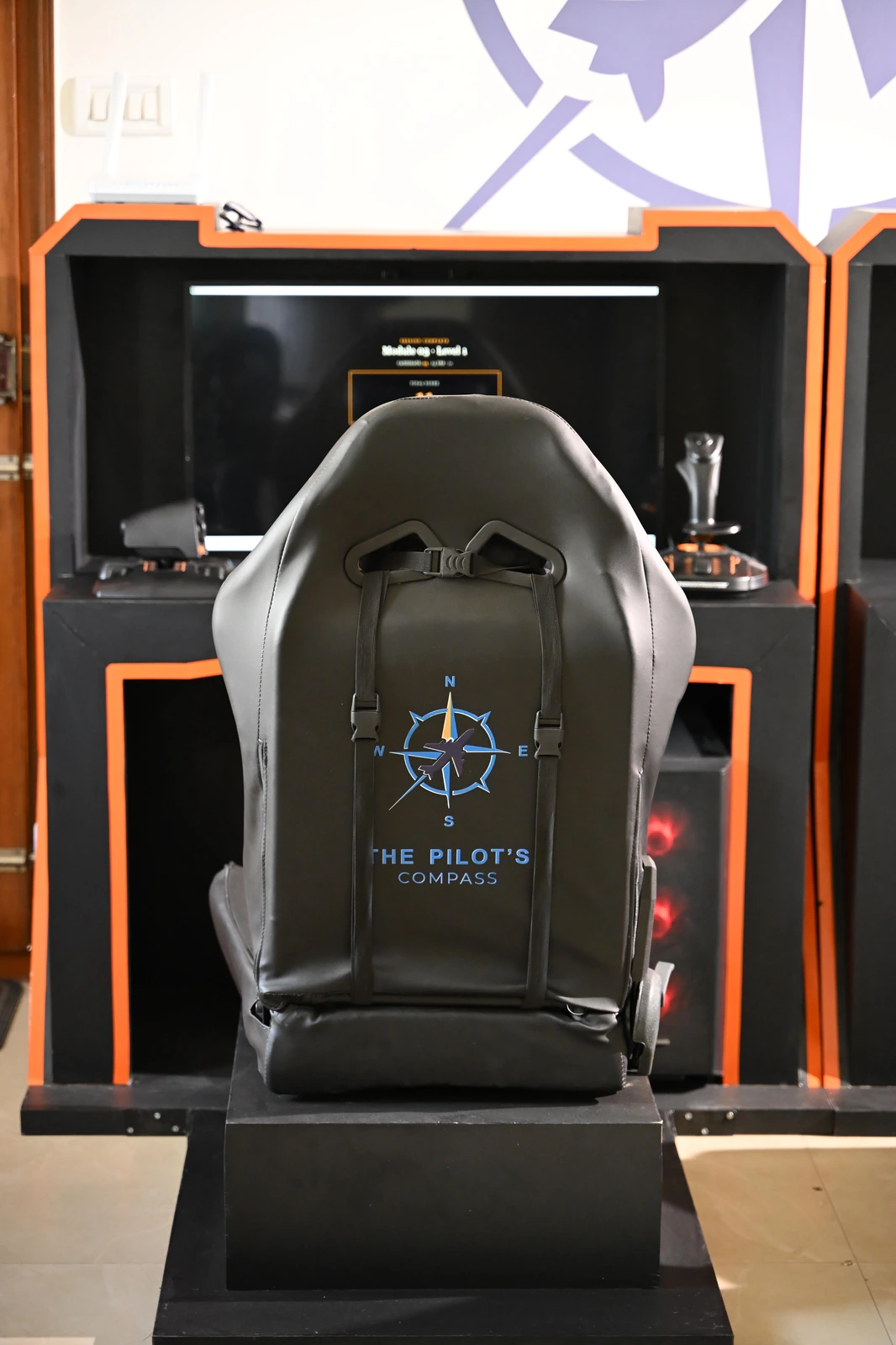
Ergonomic Pilot Station
Real cockpit seating geometry allowing full pedal travel and relaxed posture under cognitive load.
Live Cockpit Simulator Drill
Yelahanka, Bengaluru Aptitude Center
Watch How Candidates Master the Controls
Notice how the aspirant in the video maintains relaxed fingertip micro-control on the flight stick while synchronizing rudder pedal movements. This practical familiarity prevents the panic over-controlling and cognitive overload that causes over 70% of untrained candidates to fail.
Fine Fingertip Micro-Corrections
Learn measured, fractional stick deflections instead of erratic jerking to keep flight deviation errors inside the qualifying box.
Multi-Axis Hand-Eye-Foot Coordination
Coordinating hands and feet simultaneously on spring-loaded rudder pedals conditions your natural reflexes under testing stress.
1-on-1 Veteran Aviator Debrief
Every practice run is reviewed by Commander Naveen Pandita (Retd), diagnosing latency spikes and refining instrument scanning habits.
How the CPSS Test is Structured
Administered in Stage-2 at the AFSB, the test is divided into two distinct computerized phases designed to assess innate pilot aptitude.
INSAT & Cognitive Battery
Administered on computer displays with multiple-choice questions testing rapid perceptual visualization and reasoning under tight time limits.
- Spatial Orientation: Mentally visualizing 3D aircraft attitude purely from 2D artificial horizons and compass headings.
- Cognitive Speed: Rapid numerical calculations and situational judgment within seconds.
- Sensory & Perceptual Memory: Recalling instrument patterns and symbols under dynamic screen changes.
Psychomotor Machine Test
Conducted inside a physical cockpit cabin with flight stick, throttle lever, and rudder pedals to evaluate stick-and-rudder motor coordination.
- Hand-Eye-Foot Tracking: Aligning crosshairs against dynamic moving profiles using simultaneous hands and feet inputs.
- Fine Motor Control: Applying measured, gentle micro-corrections without erratic stick banging or panic over-controlling.
- Divided Attention: Resolving secondary auditory tones and visual alerts while keeping primary tracking locked.
Who Must Appear for the CPSS Test?
If you have opted for the flying branch in any of the following defence entries and cleared Stage-1 screening at an AFSB, you will face the CPSS:
NDA (Air Force & Navy)
National Defence Academy cadets choosing the flying branch face CPSS at AFSB after written exams.
AFCAT (Flying Branch)
Air Force Common Admission Test qualifiers aiming for fighter, transport, or helicopter streams.
CDS (Air Force Academy)
Combined Defence Services candidates with AFA preference called for Stage-2 computerized evaluation.
NCC 'C' & Naval Aviation
Air Wing NCC Special Entry & direct Navy Pilot/Observer shortlisted candidates appearing for SSB.
Why Prepare With Us in South India?
We focus on neuro-motor conditioning and instrument scan habits rather than textbook memorization.
Direct Veteran Aviator Mentorship
Mentored by Commander Naveen Pandita (Retd.), an Indian Navy veteran with 23+ years of military flying experience, imparting genuine flight deck mindset and composure.
Multi-Axis Cockpit Hardware
Real flight control stick, rudder pedals, and throttle levers calibrated to build fine micro-muscle memory and break the habit of panic over-controlling.
South India's Accessible Hub
Located in Yelahanka, Bangalore with direct connectivity for aspirants traveling from Karnataka, Tamil Nadu, Kerala, Telangana (Hyderabad), and Andhra Pradesh.
Ready to Experience the CPSS Simulator?
Schedule your personalized 1-on-1 hands-on simulator session at our Bangalore facility before your AFSB reporting date. Build muscle memory, overcome cognitive sensory shock, and test with complete composure.
Frequently Asked Questions About CPSS
Clear, factual answers to the most crucial questions defence pilot aspirants ask before attending their Air Force Selection Board (AFSB).
In-Depth CPSS Reading & Resources
Deepen your understanding with our comprehensive research guides.
CPSS Test: Computerised Pilot Selection System & DRDO Specs
Everything about the DRDO DEBEL development, PABT vs CPSS, and AFSB testing protocols.
CPSS Preparation Guide for Students: Training, Practice & Tips
Avoid common mistakes, practice divided attention, and master psychomotor coordination.
DGCA CPL Ground Classes & Airline Pilot Preparation
Preparing for commercial pilot exams, Compass & ADAPT cadet evaluations, and DGCA theory papers.