CPSS Test Preparation Guide for Students: Training, Practice & Tips
The short version: CPSS preparation requires more than just reading textbooks; it demands the development of active psychomotor reflexes, spatial orientation, and divided attention. Because the CPSS is a strict once-in-a-lifetime test for the Indian Armed Forces, structured preparation—including hands-on CPSS simulator training—is the most reliable way to overcome initial cognitive shock and perform confidently on test day.
What Is CPSS Preparation?
CPSS preparation is the deliberate process of conditioning your brain and motor reflexes to handle the intense, multi-tasking environment of the Computerised Pilot Selection System.
Unlike standard written exams (like NDA or AFCAT), the CPSS does not evaluate academic memorization. Instead, it measures your innate pilot aptitude—specifically how quickly you process dynamic visual information and translate it into smooth physical inputs. Therefore, true CPSS preparation is about training your neuro-motor pathways, improving your hand-eye coordination, and learning to remain calm under high cognitive load.
Curious about the actual test structure? Read our complete guide on the Computerised Pilot Selection System (CPSS) to learn exactly what the IAF assesses and why it is a strict once-in-a-lifetime test.
What Skills Should You Develop for the CPSS Test?
To succeed, your CPSS test preparation must target the specific cognitive and psychomotor domains evaluated during the official assessment at the AFSB.
Hand-eye coordination
You must seamlessly link what your eyes observe on a dynamic screen to the micro-movements of your hands. This is vital for executing smooth control stick inputs without over-correcting.
Hand-eye-foot coordination
Flying requires three-dimensional control. You will need to synchronize your hand movements (pitch and roll) with your feet (rudder pedals for yaw) simultaneously.
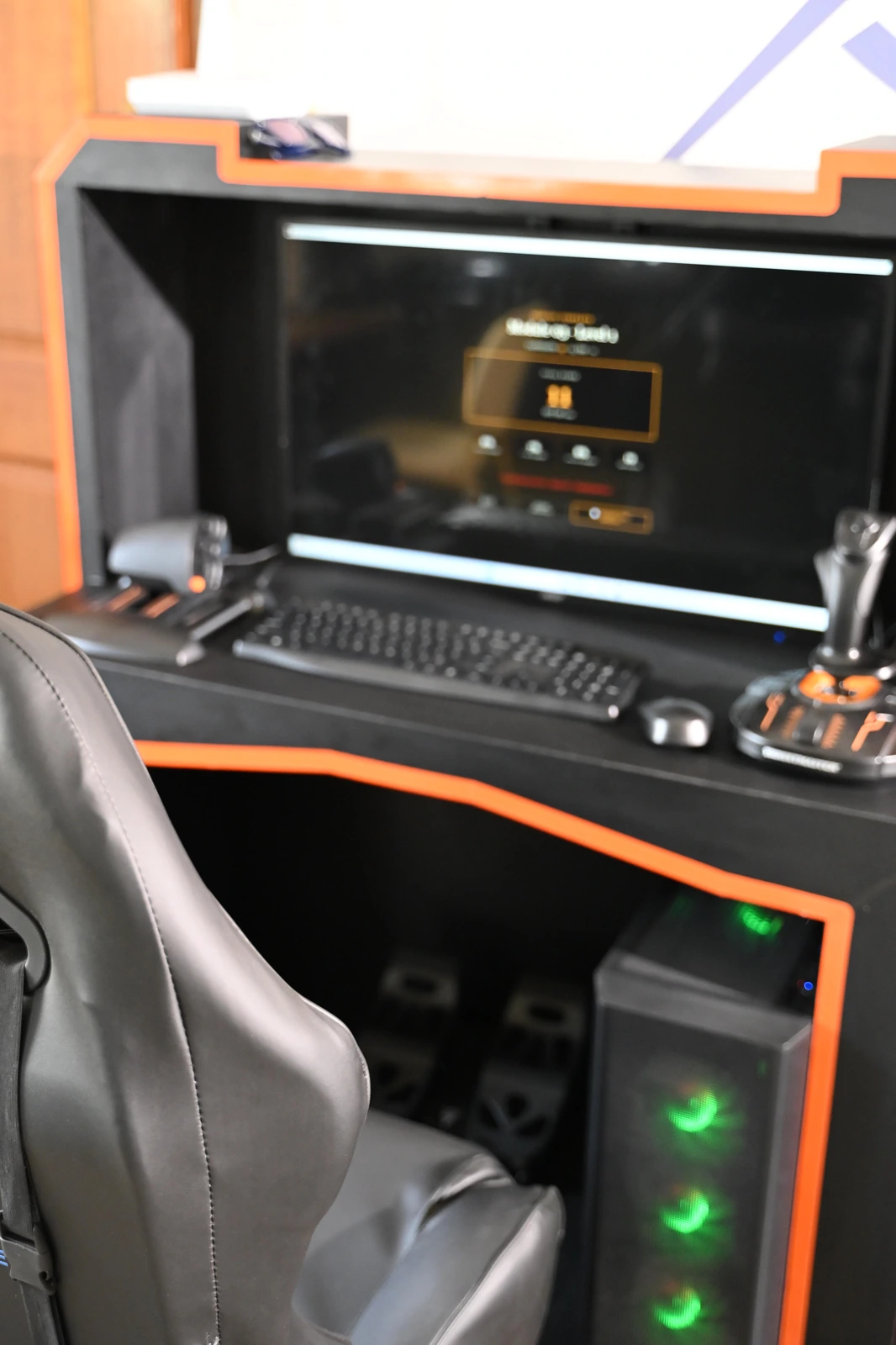
The Pilot's Compass features a professional CPSS simulator training system serving all of South India—including Kerala, Hyderabad, Tamil Nadu, and Karnataka.
Spatial orientation
This is the ability to mentally visualize a 3D aircraft attitude purely from 2D instruments, such as an artificial horizon or compass heading, and understand your exact position in space.
Visual tracking
You must maintain focus on moving targets across a screen and predict their trajectory, applying continuous, fluid corrections rather than erratic jerks.
Information processing
The test will bombard you with data. You need to rapidly filter out background noise and identify the critical data points required for immediate action.
Divided attention / time-sharing
Also known as concurrent task management, this skill requires you to fly a primary tracking profile while simultaneously listening to audio prompts and solving secondary visual tasks.
Concentration and response consistency
Fatigue sets in quickly during the CPSS battery. You must sustain intense concentration for extended periods, ensuring your reaction times do not degrade as the test progresses.
How to Prepare for the CPSS Test
Effective CPSS training and preparation blends mental conditioning with physical reflex development. Start by familiarizing yourself with aviation instruments—understand how an altimeter, heading indicator, and artificial horizon work.
Next, engage in activities that naturally boost neuro-motor coordination. Playing fast-paced sports (like table tennis or badminton), learning a musical instrument that requires independent hand coordination (like the drums or piano), and utilizing structured simulator modules are all excellent ways to prime your brain for the CPSS.
Can You Prepare for CPSS at Home?
Yes, you can build a strong foundation for the CPSS from home. While you cannot replicate the exact AFSB hardware, you can condition the required cognitive skills:
- Play simulation games: Use desktop flight simulators with a basic joystick to understand fundamental flight dynamics.
- Cognitive training apps: Utilize brain-training applications that focus on multitasking, spatial visualization, and divided attention.
- Mental math under pressure: Practice solving basic arithmetic while performing a physical task (like bouncing a ball) to simulate divided attention.
However, home preparation has a ceiling. Eventually, you need hardware familiarity to translate cognitive skills into psychomotor precision.
How CPSS Simulator Training Can Help
The biggest hurdle for first-time candidates is "sensory shock"—the overwhelming feeling of being placed in a cockpit environment with unfamiliar controls and a barrage of data.
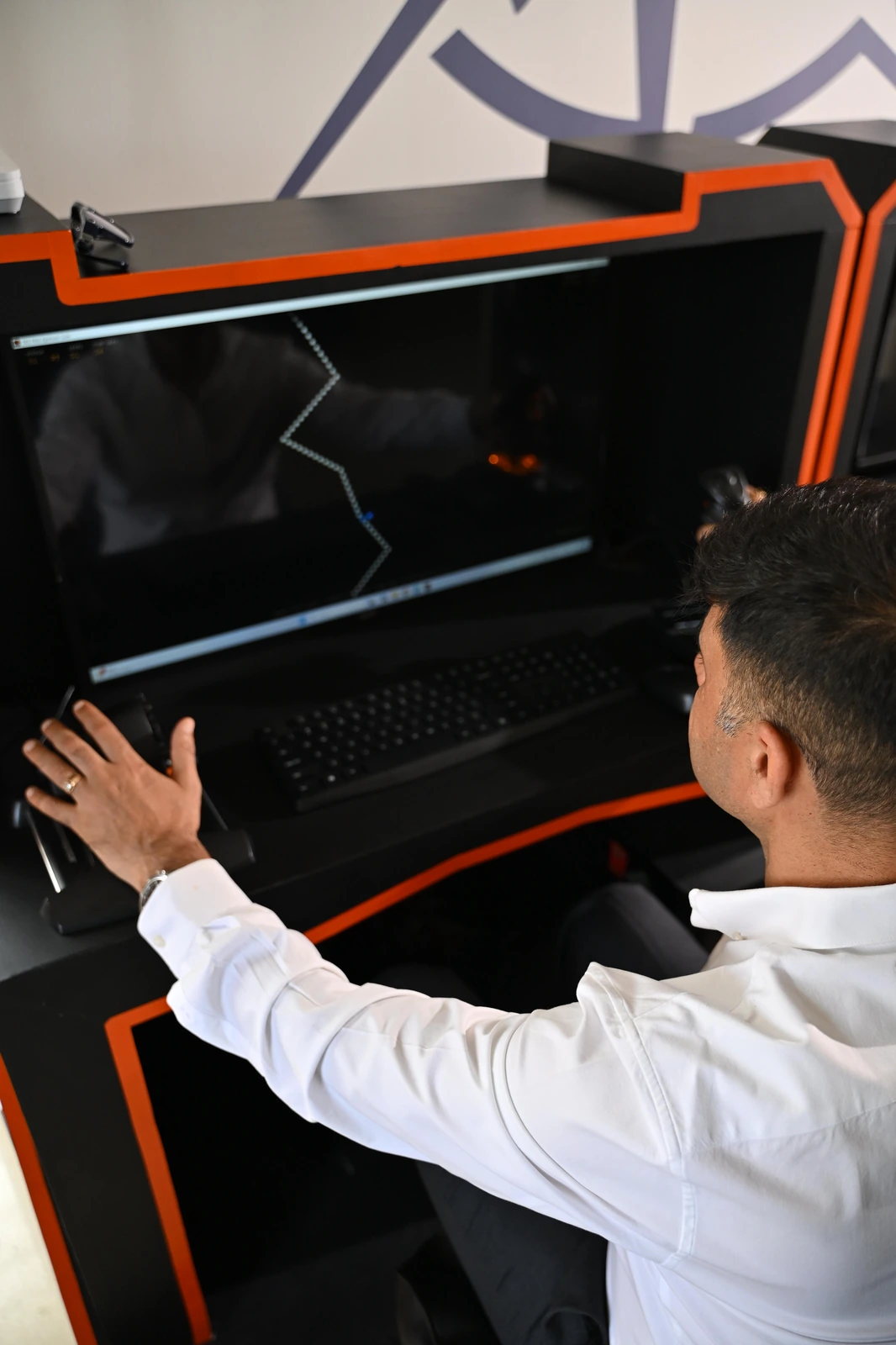
Easily accessible from Kerala, Hyderabad, Tamil Nadu, and Karnataka, The Pilot's Compass offers the premier professional CPSS training system in South India.
CPSS simulator training bridges this gap. By practicing on specialized rigs equipped with multi-axis flight sticks and rudder pedals, you build muscle memory. You learn how much pressure to apply to a stick, how to coordinate your feet, and how to stay calm when multiple alarms trigger simultaneously. This familiarity is invaluable for CPSS preparation for NDA or AFCAT candidates.
CPSS Practice: What Should You Practise?
When utilizing a pilot aptitude simulator, your CPSS practice should not focus on memorizing patterns, but rather on refining your technique:
- Smooth Inputs: Practice applying gentle, continuous pressure on the controls instead of banging the stick edge-to-edge.
- Instrument Scanning: Develop a disciplined eye-scanning pattern. Don't fixate on one instrument; keep your eyes moving between the tracking target, altimeter, and secondary displays.
- Audio-Visual Disconnect: Practise answering auditory questions (like identifying a number sequence) while keeping your visual tracking perfectly centered.
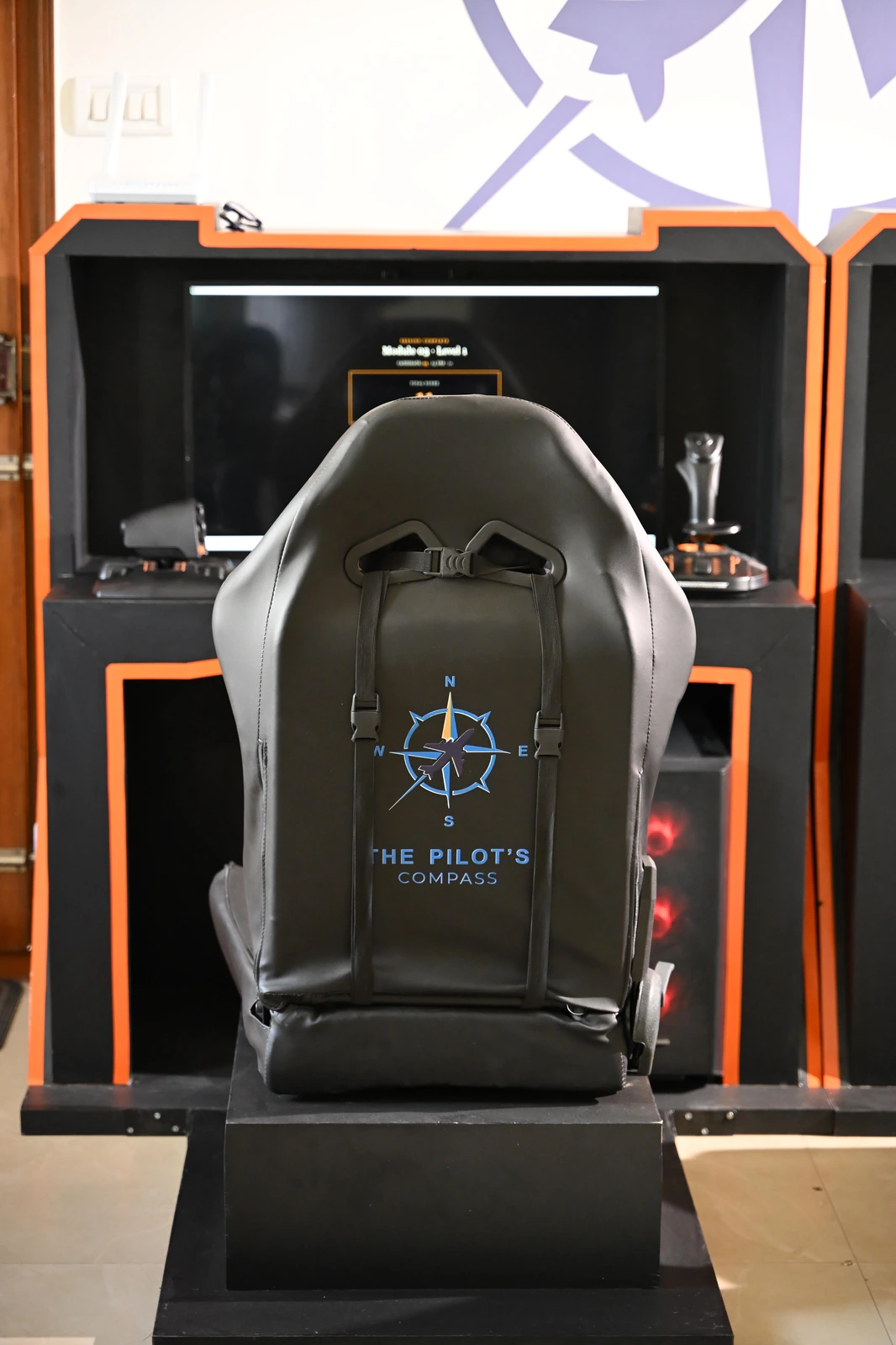
Candidates from across South India (Kerala, Hyderabad, Tamil Nadu, Karnataka) train at The Pilot's Compass on our professional CPSS simulator system.
Common CPSS Preparation Mistakes to Avoid
Many promising candidates fail the CPSS due to avoidable errors. Here are the top CPSS mistakes to avoid:
- Relying purely on theory: Reading about flying will not build motor reflexes.
- Ignoring the briefing: At the AFSB, the conducting officer’s briefing contains critical instructions. Failing to listen carefully guarantees a poor score.
- Panic over-controlling: When the tracking target drifts, untrained candidates violently yank the stick, causing the system to register erratic psychomotor behavior.
- Fixation: Focusing so heavily on the primary tracking task that you completely ignore secondary audio/visual prompts.
CPSS Preparation Tips for First-Time Candidates
If this is your first time facing a CPSS pilot aptitude preparation environment, keep these CPSS test tips in mind:
- Breathe and Relax: A tense body leads to jerky hand movements. Keep your shoulders relaxed and use a light grip on the flight stick.
- Follow Instructions Literally: Do exactly what the testing module asks. If the module prioritizes secondary tasks, do not ignore them for the primary tracking.
- Embrace Mistakes Rapidly: If you make an error during a module, forget it immediately. Dwelling on a past mistake will ruin your concentration for the current task.
What to Do the Day Before the CPSS Test
The day before your CPSS is not for cramming or frantic practice. Your psychomotor reflexes are already set.
- Rest your central nervous system: Get at least 8 hours of high-quality sleep. Fatigue severely degrades cognitive processing speed and hand-eye coordination.
- Hydrate well: Dehydration impacts focus and visual tracking.
- Visualize success: Spend 15 minutes mentally walking through a calm, composed performance in the testing cabin.
CPSS Test Day: Things to Keep in Mind
When you finally sit down for the official test at the AFSB:
- Listen to the Briefing: We cannot stress this enough. The briefing explains the exact scoring parameters for that specific module.
- Use the Practice Runs: You will be given un-scored practice attempts before the real test begins. Use these to gauge the sensitivity of the joystick and pedals.
- Maintain Posture: Sit comfortably so you have full, unrestricted travel of the rudder pedals and the flight stick without stretching.
CPSS Training at The Pilot's Compass
At The Pilot's Compass, we understand the immense pressure of a once-in-a-lifetime test. That is why we provide structured CPSS training in India, located at our specialized facility in Bangalore.
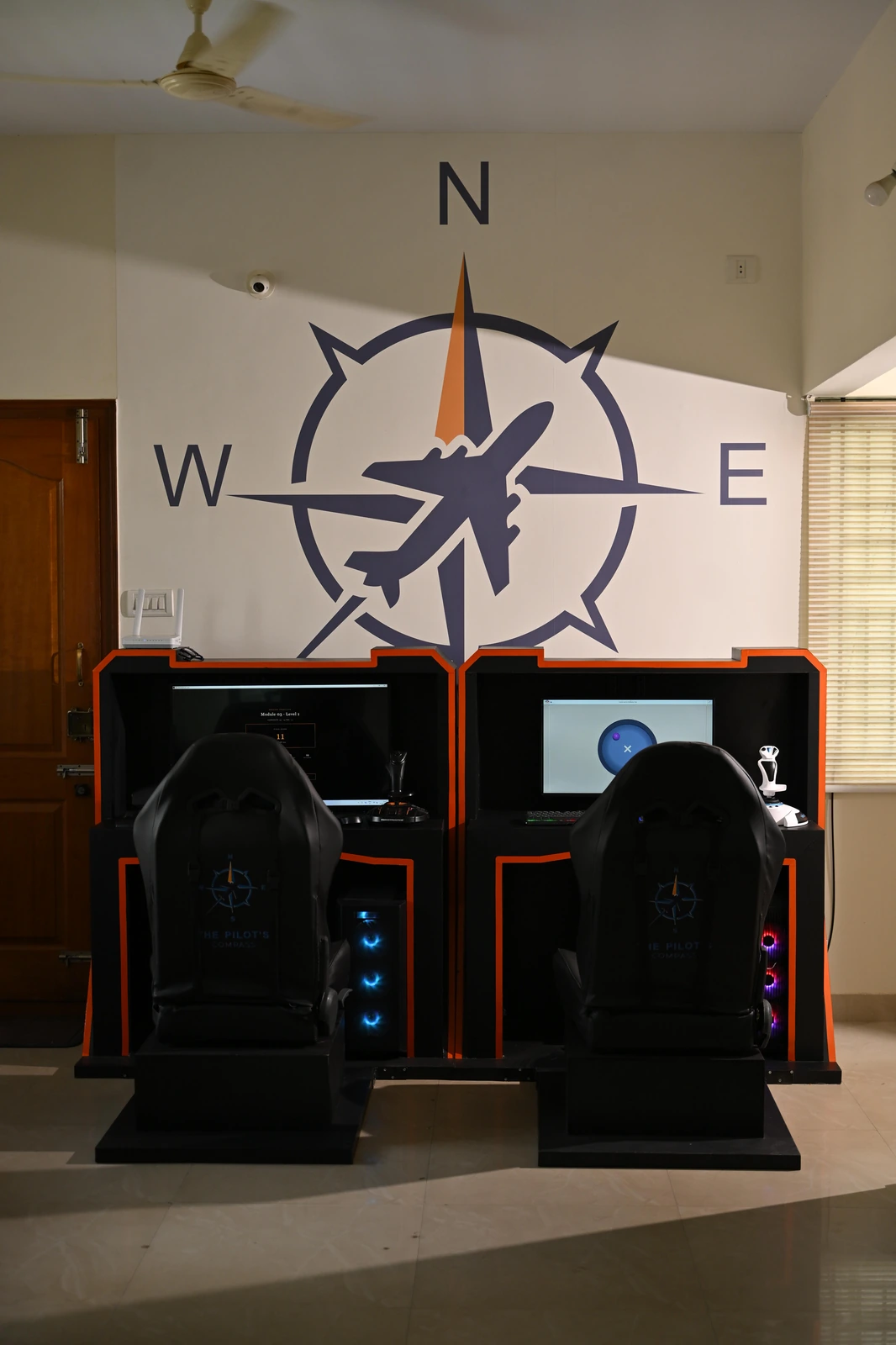
The Pilot's Compass is the leading professional CPSS training facility in South India, welcoming future pilots from Kerala, Hyderabad, Tamil Nadu, and Karnataka.
Under the direct mentorship of veteran military aviators, our pilot aptitude stations recreate the heavy cognitive load and multi-axis control demands of the CPSS. We help you build the motor memory, spatial awareness, and psychological composure needed to tackle your AFSB assessment with confidence.
Frequently Asked Questions About CPSS Preparation
How many days are enough to prepare for CPSS?
While there is no fixed timeline, a focused 3-to-5 day intensive simulator familiarization course is typically sufficient to build basic hardware familiarity, eliminate cognitive shock, and refine psychomotor coordination before the AFSB date.
What should I practise for CPSS?
You should practice multi-limb coordination (hands and feet simultaneously), divided attention (solving math or audio prompts while tracking), and instrument interpretation (reading artificial horizons).
Can I prepare for the CPSS test at home?
You can practice the cognitive aspects—such as multitasking, mental math, and spatial reasoning—using desktop apps. However, to develop actual psychomotor control, hands-on practice with a flight stick and rudder pedals is highly recommended.
Is CPSS preparation necessary for the Indian Air Force?
Because the CPSS is a strict once-in-a-lifetime test with no second chances, preparation is highly recommended to ensure you do not fail simply due to a lack of familiarity with cockpit hardware and digital interfaces.
Does failing the CPSS mean I can never become a pilot?
Failing the CPSS only permanently disqualifies you from military flying branches (Indian Air Force, Navy, Army, and Coast Guard). You remain fully eligible to pursue a career in civil aviation as a commercial airline pilot through standard DGCA licensing.
Are PABT and CPSS the exact same test?
No. The Pilot Aptitude Battery Test (PABT) was the legacy electromechanical test used by the IAF. The CPSS is its modern, fully computerized successor designed by DRDO to evaluate candidates for advanced glass-cockpit aircraft.
Will playing flight simulation games help me clear CPSS?
While desktop flight simulators (like MSFS or X-Plane) can introduce you to basic aircraft physics and joystick inputs, they do not replicate the intense, simultaneous cognitive loading and strict multi-tasking parameters of the actual CPSS testing environment. Dedicated simulator preparation bridges this gap.
Want to Connect With Us?
Have questions about your CPSS preparation? We're here to help. Connect with us on our Contact Page to speak directly with our veteran aviation mentors.
Ready to Train? Book Your Simulator Session
Take the first step toward clearing your CPSS test with confidence. Secure your training slot at our dedicated South India facility today.
Map Your Custom Pilot Training Pathway
Evaluate your compliance across the 4 major DGCA training gates, select training country routes (India vs. USA/Europe), and estimate your CPL timeline month-by-month.